18 Aug 2026
Tracing Bonus Structures Back to Swedish Licensing Rules for Mobile Table Game Access
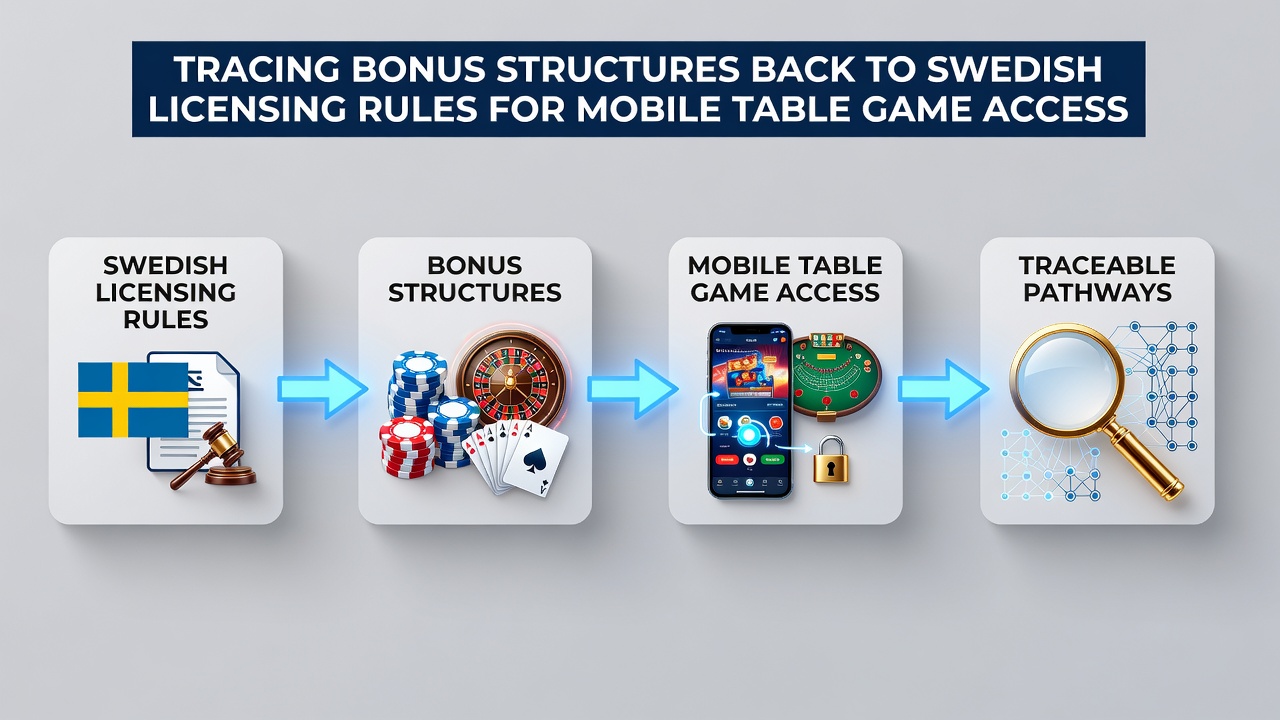
Swedish licensing requirements shape how operators structure bonuses for mobile table game access, and the connections run through the Gambling Act that took effect in 2019. The framework established by Spelinspektionen sets clear boundaries on promotional offers that operators must follow when they deliver blackjack, roulette and poker on smartphones and tablets. Those boundaries emerged from licensing conditions designed to protect players while allowing controlled market entry for companies that meet technical and financial standards.
Origins of the Licensing Framework
Before 2019 the Swedish market operated under a monopoly model, yet the government shifted to a licensing system that opened the door for international operators. Licensing now requires every company to demonstrate compliance with rules on game fairness, payment processing and responsible gambling tools before it can offer mobile table games. Observers note that these same license conditions directly influence bonus design because the law treats promotions as extensions of the operator's core obligations rather than separate marketing tools.
Operators seeking a license must submit detailed plans that include how they will handle welcome bonuses, reload offers and loyalty rewards. Spelinspektionen reviews those plans to ensure they do not encourage excessive play, and the authority can reject or modify bonus terms that violate the rules. This review process creates a direct line between the license application and the bonus structures that eventually appear on mobile platforms.
Bonus Limitations Embedded in License Conditions
Data from the authority shows that licensed operators may provide only one bonus per player across all games, including mobile table games. The rule prevents stacking of offers and requires clear disclosure of wagering requirements before any player deposits funds. Because the restriction forms part of the license itself, operators build their entire bonus architecture around this single-offer limit rather than developing separate campaigns for desktop and mobile users.
Wagering requirements attached to bonuses must also stay within caps set during the licensing stage. Researchers tracking compliance records find that most operators settle on thirty-five times the bonus amount for table games, a figure that balances player engagement with regulatory expectations. Mobile versions of these games carry the same multipliers because the license treats the platform as secondary to the underlying game category.
Mobile Table Game Access and Technical Standards
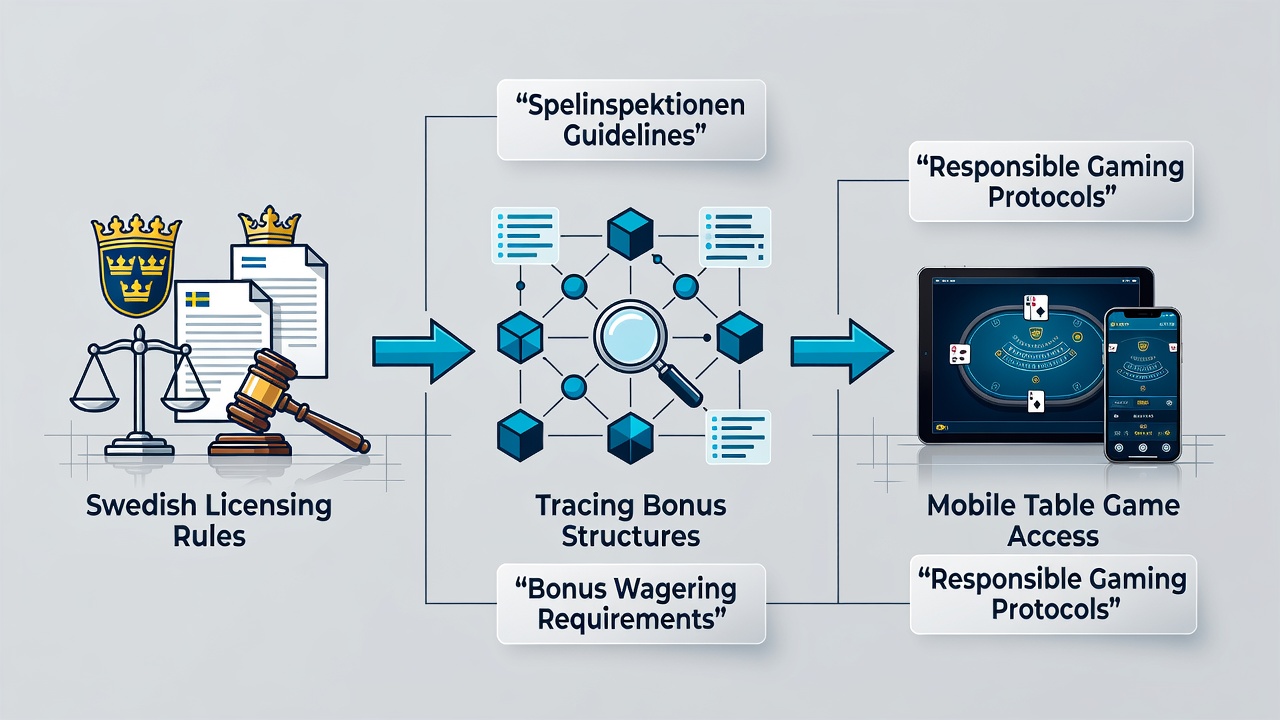
Licensing rules require operators to deliver identical game outcomes on mobile devices and desktop platforms, which extends to how bonuses interact with table game mechanics. Random number generators undergo testing for both environments, and bonus triggers must function consistently whether a player accesses the game through an app or browser. This uniformity prevents operators from creating mobile-only bonuses that bypass desktop restrictions, reinforcing the single-bonus rule across all channels.
Payment methods linked to mobile table games also fall under license scrutiny. Operators must integrate trustly or other approved Swedish payment services, and bonus funds move through these channels under the same audit trails as regular deposits. The result is a bonus structure that remains traceable from the moment a player claims an offer until the funds clear wagering conditions.
August 2026 Regulatory Updates
Scheduled reviews of the Gambling Act point to additional guidance taking effect in August 2026 that will further clarify bonus reporting for mobile operators. The update requires quarterly submissions detailing how many players activate bonuses on table games via smartphones and the average completion rate of wagering requirements. Spelinspektionen will use this data to assess whether current license conditions continue to meet consumer protection goals.
Industry reports indicate that operators have already begun adjusting their internal tracking systems in preparation for the new reporting cycle. Those adjustments include tighter integration between mobile game logs and bonus ledgers, ensuring that any future changes to licensing rules can be implemented without major structural overhauls.
International Comparisons and Research Sources
Studies from the Public Health Agency of Canada on cross-border gambling regulation highlight similar patterns where licensing conditions shape promotional offers. Swedish authorities drew on such international examples when drafting their own rules, although local implementation remains distinct. The approach keeps bonus structures tightly coupled to license renewal cycles, giving regulators ongoing leverage over operator behavior.
Another reference point comes from the OECD regulatory policy reports, which document how licensing frameworks in multiple jurisdictions affect digital service delivery. These documents note that mobile access amplifies the need for consistent rules because players switch devices frequently, and any discrepancy in bonus terms could undermine regulatory oversight.
Conclusion
The chain from Swedish licensing rules to bonus structures for mobile table game access runs through mandatory compliance documents, technical standards and ongoing reporting obligations. Each layer reinforces the others, creating a system where operators design promotions within boundaries set at the licensing stage rather than after market launch. As the August 2026 updates approach, the same linkage will continue to determine how bonuses appear on mobile platforms and how regulators evaluate their impact on player behavior.