20 Aug 2026
Regulatory Ties Between Verified Funding Channels and Progressive Prize Mechanics in Law-Compliant Mobile Interfaces
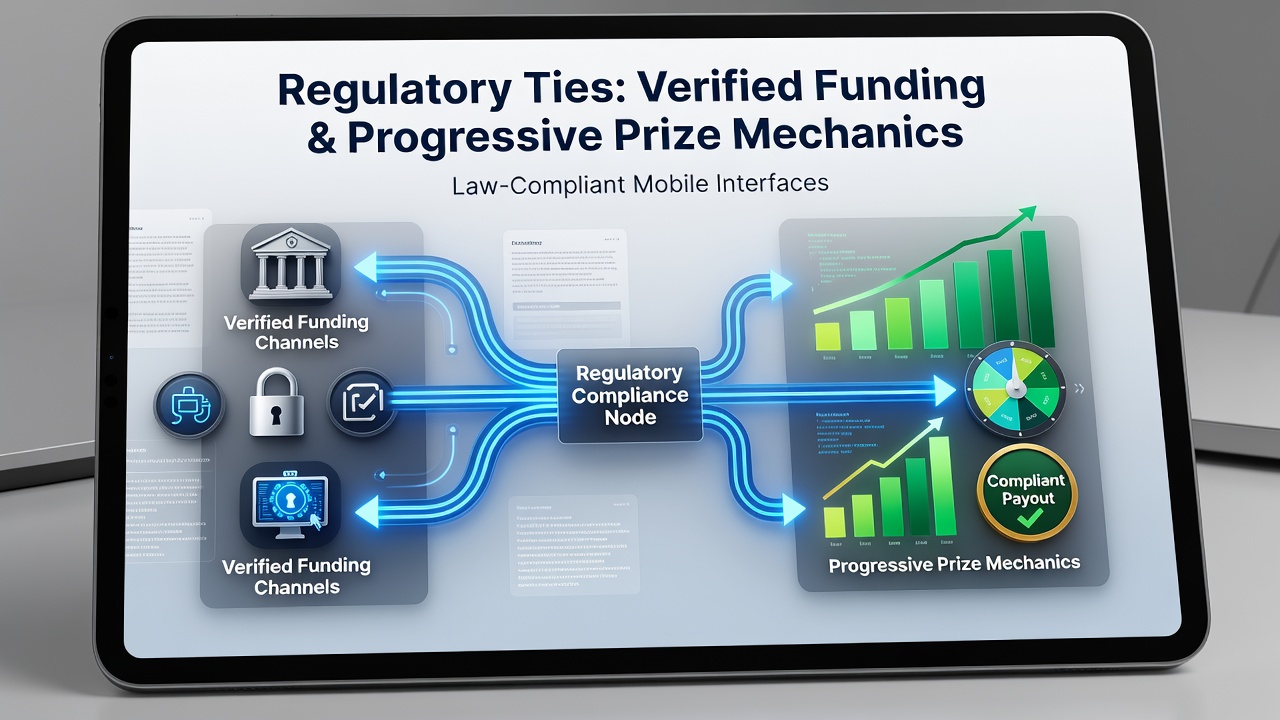 Observers note that regulatory frameworks in multiple jurisdictions establish direct connections between verified funding channels and progressive prize mechanics, particularly within mobile interfaces designed for full legal compliance. These ties emerge because funding verification processes, including identity checks and transaction monitoring, provide the audit trails required to validate contributions to growing prize pools. Data from various licensing bodies shows that progressive systems accumulate portions of each verified wager, and without authenticated funding sources regulators cannot confirm that prize distributions meet fairness standards. Research indicates that mobile platforms must integrate secure payment gateways with real-time verification to satisfy anti-money laundering rules while supporting jackpot growth. In practice this means every deposit undergoes screening before it affects the progressive meter, which prevents ineligible funds from inflating prizes that later get awarded to players. Those who have examined compliance records across regions find that operators who skip these steps face license reviews and potential prize invalidations.
Verified Funding Channels in Regulated Environments
Payment verification requirements vary by jurisdiction yet share core elements such as customer identification, source-of-funds checks, and ongoing transaction monitoring. Authorities in the United States, including the New Jersey Division of Gaming Enforcement, mandate that mobile operators confirm player identity before any funds enter systems that feed progressive mechanics. Similar rules apply in Canadian provinces where the Alcohol and Gaming Commission of Ontario oversees digital interfaces, requiring that deposits pass through approved channels before contributing to shared prize pools.
These verification steps create documented records that regulators later audit when reviewing jackpot payouts. Operators maintain logs showing each verified deposit amount, the corresponding contribution percentage allocated to the progressive meter, and the timestamp of the transaction. The process ensures that only lawful funds influence prize values, which reduces disputes during large wins and supports transparent reporting to oversight bodies.
Progressive Prize Mechanics Under Compliance Standards
Progressive prize systems operate by pooling a small percentage of each qualifying wager across connected games or networks, yet regulations require that only wagers funded through verified channels count toward the pool. This restriction appears in licensing conditions because unverified contributions could distort prize values and expose operators to sanctions. Mobile interfaces must therefore embed verification checks at the point of wager placement so that ineligible activity never reaches the progressive calculation engine.
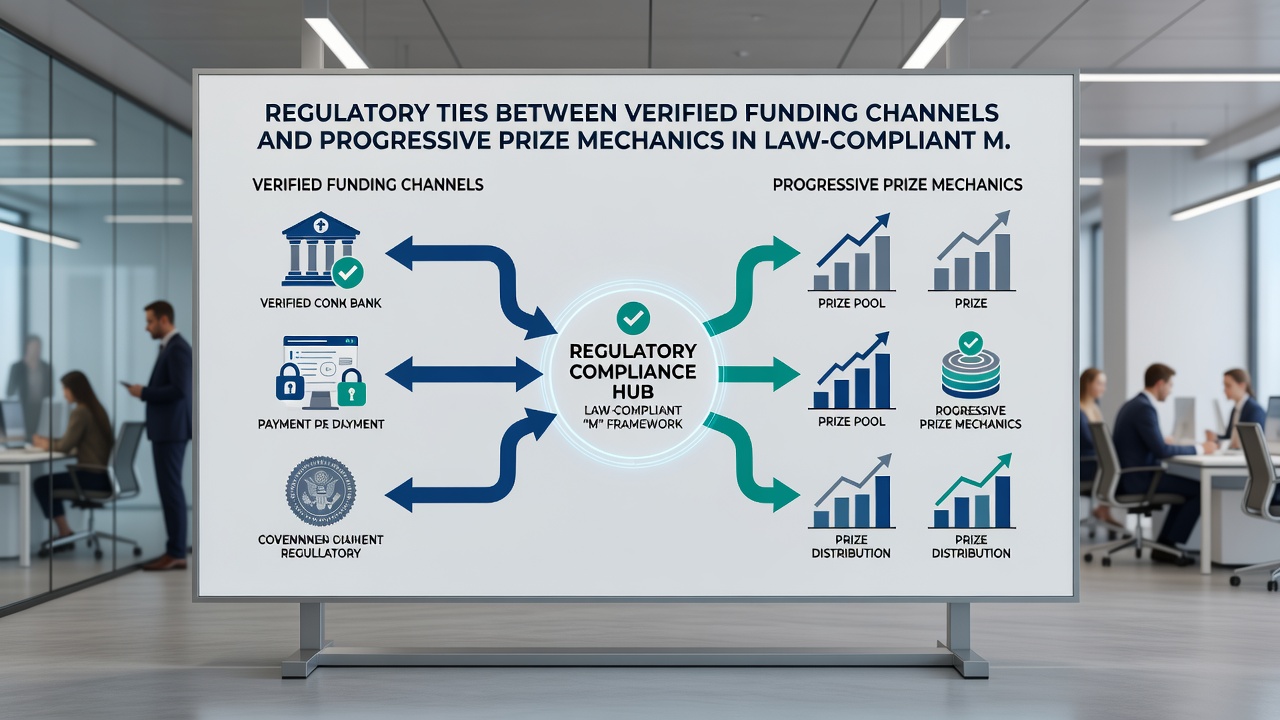
Technical specifications released by several gaming authorities further detail how mobile applications should handle seed amounts, contribution rates, and reset values once a prize is awarded. These documents emphasize that every increment must trace back to an authenticated funding event, which allows regulators to reconstruct the entire prize history during compliance reviews. Observers who have studied enforcement actions note that failures in this traceability often lead to corrective orders rather than outright license revocations when operators demonstrate good-faith efforts to upgrade their systems.
Integration Points in Mobile Interfaces
Mobile interfaces present unique challenges because users expect seamless deposits and immediate game access, while regulations demand rigorous checks before progressive contributions occur. Developers therefore incorporate layered authentication that runs in the background once initial verification clears. This approach satisfies both user experience goals and regulatory mandates without introducing noticeable delays after the first transaction.
Standards published by organizations such as the Gaming Standards Association outline communication protocols between payment processors and game servers that flag whether a funding source has passed verification. When the flag indicates compliance, the interface permits the wager to feed the progressive meter; otherwise the system either blocks the bet or routes it to non-progressive game modes. Such architecture prevents accidental inclusion of unverified funds while preserving operational continuity for players who complete verification promptly.
Developments Expected by August 2026
Regulatory updates scheduled for August 2026 in several jurisdictions will tighten reporting intervals for progressive prize activity and require more frequent reconciliation between verified funding ledgers and jackpot meters. These changes build on existing frameworks rather than introducing entirely new concepts, yet they will demand additional automation within mobile interfaces to meet shorter audit cycles. Industry reports suggest that operators who already maintain tight integration between payment verification and prize engines will face fewer implementation hurdles than those relying on manual reconciliation processes.
Conclusion
Regulatory ties between verified funding channels and progressive prize mechanics continue to shape the design of law-compliant mobile interfaces across multiple regions. Verification requirements ensure that only legitimate funds contribute to growing prizes, while technical standards guide how mobile applications enforce these rules in real time. As updates approach in August 2026, operators and developers will likely refine existing systems to handle more frequent reporting without compromising the seamless experience users expect. The resulting frameworks maintain accountability for prize integrity while supporting continued innovation in mobile gaming delivery.